11th-12th-Grade ELA Assignment

Overview
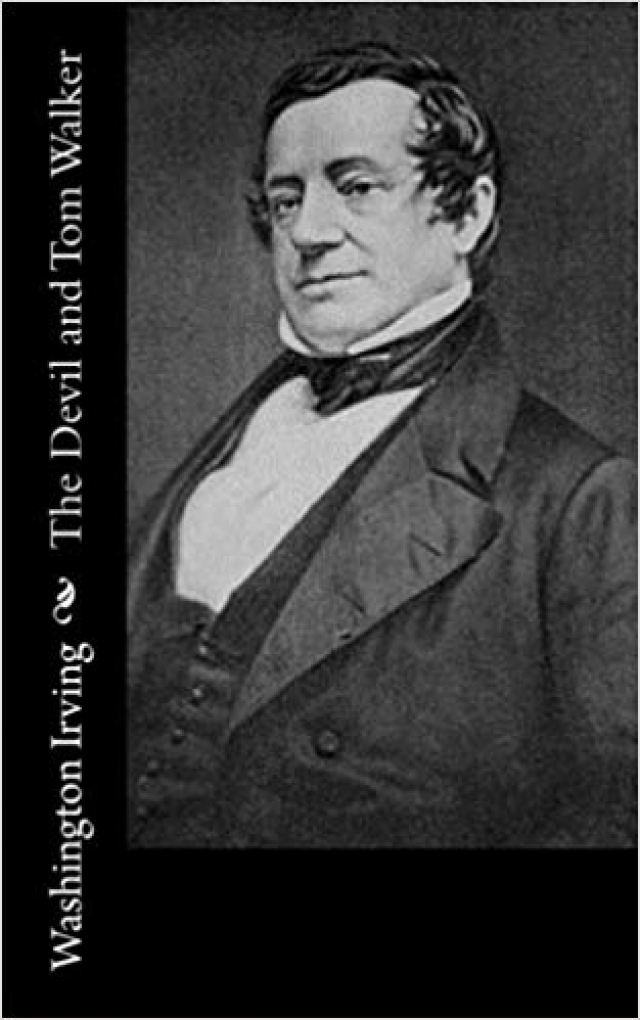
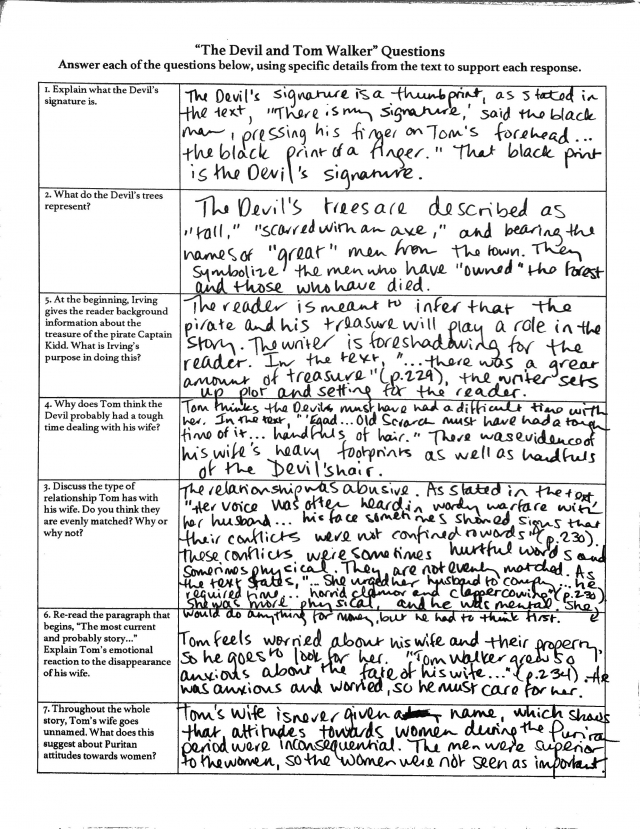
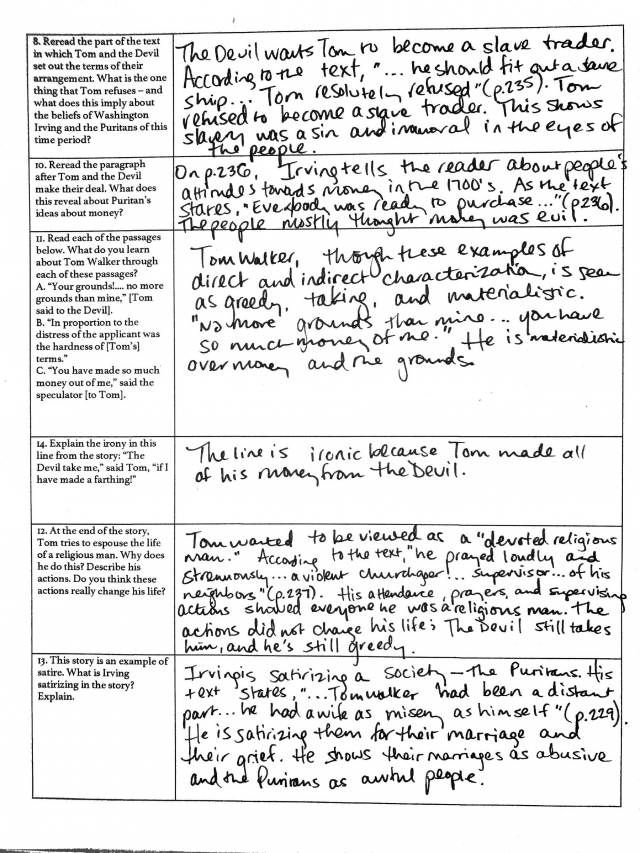
Eleventh-grade students read “The Devil and Tom Walker,” a grade-appropriate text by Washington Irving, then respond to a series of text-specific questions. This assignment exposes students to a noteworthy literary text that builds historical knowledge, and the questions require students to focus on key details and progressively build their understanding of the text. Students are expected to defend their responses with specific evidence from the text.
About the Text
Title and Author
“The Devil and Tom Walker” by Washington Irving
What is the Lexile Level of this text?
Based on Lexile, which grades is this text intended for?
Is the text qualitatively complex enough for the grade?
Is this text fiction or non-fiction?
Is this text authentic or was it written for educational purposes?
Does the text provide sufficient detail to build knowledge of a worthwhile topic and/or is it worth reading closely and re-reading?
Why is this assignment strongly aligned?
This assignment is strong because it has a strong text and strong questions:
The assignment exposes students to engage with a worthwhile text. The text exhibits exceptional literary craft, making extensive use of symbolism, religious imagery, and allusion. It also demands sophisticated understanding of irony and satire.
The assignment requires students to read carefully and focus on the key details of the text. The questions point students back to specific passages that build their understanding. Questions become increasingly more complex (from “Explain what the Devil’s signature is” to “What is Irving satirizing in the story?”). The purposeful sequencing of questions helps students arrive at a cumulative understanding of the story.
Students are required to articulate their ideas about the text in writing. The questions ask students to support those ideas with specific, relevant details from the story.
Students practice formal, academic writing. In their written responses, they are expected to demonstrate command of advanced language conventions.